Category: Uncategorized
New service offers advanced treatment for complex wounds, with appointments in Orange, Shelton and Trumbull.
A wound that is slow to heal can affect your comfort, mobility and daily life. Connecticut Orthopaedics now offers specialized wound care to help patients address these challenges, with personalized treatment focused on healing, preserving limbs and restoring function.
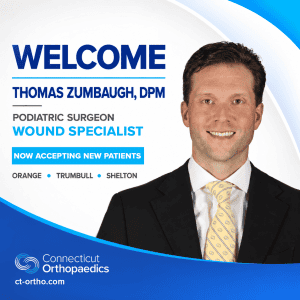
Thomas Zumbaugh, DPM, a Doctor of Podiatric Medicine and Certified Wound Specialist Physician, provides surgical and office-based care for patients with lower extremity wounds. His expertise includes chronic and complex wounds, diabetic foot ulcers, infections and traumatic injuries involving the skin and soft tissues.
Treatment Tailored to Each Patient
Wounds can require different approaches to healing. Dr. Zumbaugh evaluates each patient’s wound and individual needs to develop a personalized treatment plan. Services include:
- Chronic wound evaluation and diabetic foot assessment
- Specialized dressings and compression therapy
- Debridement, the removal of damaged or unhealthy tissue
- Negative pressure wound therapy, which uses a specialized dressing and gentle suction
- Bioengineered skin grafts and reconstructive surgery
- Treatment of bone, skin and wound infections
- Second opinions for complex or persistent wounds
With an emphasis on limb preservation, Dr. Zumbaugh’s approach aims to help patients heal while protecting mobility and function.
Schedule a Consultation
Dr. Zumbaugh sees patients at three Connecticut Orthopaedics offices:
To schedule a consultation or learn more about wound care, call 203.407.3500 or visit Dr. Zumbaugh’s provider page.
Partnership expands access to orthopedic specialists while strengthening an independent model of care
HAMDEN, Conn. — September 30, 2026 — Connecticut Orthopaedics announced today that Orthopaedics New England will join the practice effective October 1st, bringing together two organizations with a shared commitment to clinical excellence and patient-centered care.
As more medical practices become part of private equity-backed organizations, Connecticut Orthopaedics remains independently owned by its physicians. The partnership with Orthopaedics New England strengthens that model while expanding patients’ access to orthopedic specialists and services across the region.
“Orthopaedics New England has earned the trust of its patients through excellent care and strong relationships, just as we have,” said Susan Bader, CEO of Connecticut Orthopaedics. “Welcoming their team allows us to build on those strengths, reach more patients and keep decisions about care close to the physicians who know them best.”
Orthopaedics New England’s physicians, providers and staff will join Connecticut Orthopaedics’ broader network of specialists and care teams. Together, the organizations will have more opportunities to coordinate services and support patients through every stage of their orthopedic care.
“This is an exciting new chapter for Orthopaedics New England,” said John Keggi, Orthopaedic Surgeon. “We share Connecticut Orthopaedics’ commitment to putting patients first. Joining their team gives us additional resources and a broader network of specialists while preserving the personal approach our patients know and trust.”
Connecticut Orthopaedics remains independently owned in a time when Connecticut is seeing a high volume of private equity companies coming in and purchasing medical practices for profit. Connecticut Orthopaedics is committed to preserving physicians’ autonomy to guide treatment based on their clinical judgment and each patient’s individual needs.
Patients will continue to see their current providers as the organizations work through the transition.
About Connecticut Orthopaedics
Connecticut Orthopaedics is the largest independent, physician-owned orthopedic practice in New England. Its team of more than 60 physicians, along with advanced practitioners, therapists and care professionals, provides comprehensive care for conditions affecting the bones, joints, muscles, ligaments and spine. The practice is dedicated to helping patients move better, feel better and return to the activities they love.
About Orthopaedics New England
Orthopaedics New England provides orthopedic and musculoskeletal care grounded in clinical expertise and personal attention. Its physicians, providers and staff have built trusted relationships with patients across the communities they serve.
Dr. Lahav is a board-certified orthopaedic surgeon with a strong reputation for excellence in minimally invasive hip and knee replacement. He has extensive experience in robotic-assisted surgery, computer navigation, customized joint replacements and traditional surgical techniques.
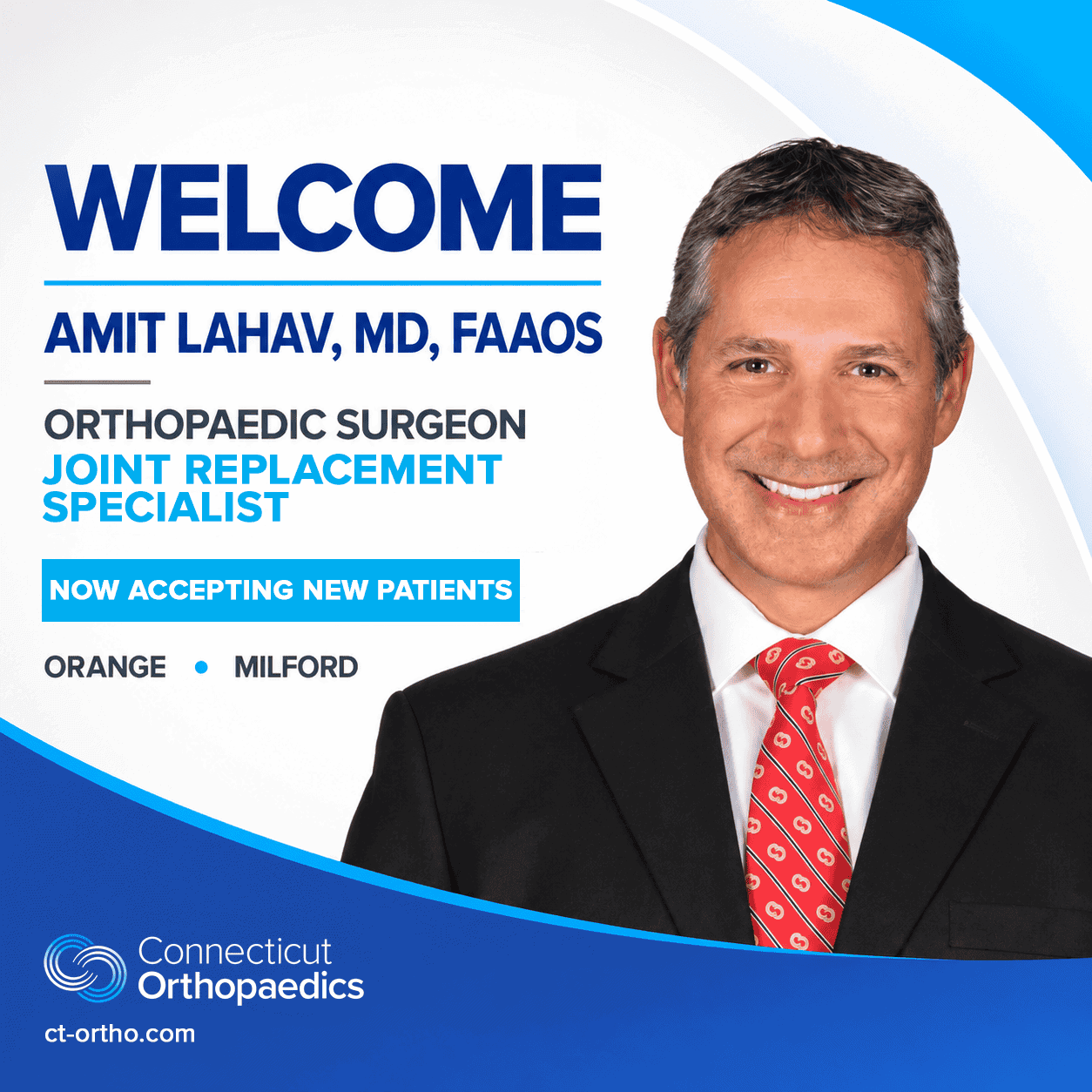
With a background in engineering, Dr. Lahav has a special interest in using advanced technology to improve surgical precision, enhance the patient experience and optimize outcomes. Throughout his career, he has authored numerous orthopaedic publications, helped develop clinical protocols and patient-care pathways, and taught modern knee-replacement techniques to surgeons from around the world.
Dr. Lahav will see patients in our Milford and Orange offices. His return further strengthens our joint replacement team and expands access to highly respected orthopaedic expertise within the communities we serve.
Please join us in welcoming Dr. Lahav back to Connecticut Orthopaedics!
Learn More about Dr. Lahav or to book an appointment click here
Connecticut Orthopaedics is pleased to welcome Alirio deMeireles, MD, MBA, an orthopaedic surgeon specializing in hip and knee replacement.
Dr. deMeireles provides comprehensive care for patients with hip and knee arthritis, with expertise in primary and revision joint replacement. His approach combines advanced surgical techniques, current research and personalized care to help patients reduce pain, restore mobility and return to the activities they enjoy.
Dr. deMeireles earned his bachelor’s degree in evolutionary biology from Yale University, where he played varsity lacrosse, helped the Bulldogs win three Ivy League championships and was recognized as a Scholar All-American. He earned both his medical degree and Master of Business Administration from the University of Michigan.
He completed his orthopaedic surgery residency at NewYork-Presbyterian/Columbia University Irving Medical Center, where he served as executive chief resident and received the Harold M. Dick Award as Resident of the Year. He then completed advanced fellowship training in adult hip and knee reconstruction at Rothman Orthopaedic Institute in Philadelphia.
Actively involved in orthopaedic research, Dr. deMeireles has authored numerous peer-reviewed publications and book chapters focused on hip and knee replacement, robotic-assisted surgery, implant technology, revision procedures and patient outcomes. His work has also been presented at national and international orthopaedic conferences.
Dr. deMeireles is seeing patients in Branford, Essex, Hamden, Madison and Wallingford.
Please join us in welcoming Dr. deMeireles to Connecticut Orthopaedics.
To learn more or schedule an appointment, click here
Connecticut Orthopaedics welcomes surgical podiatrist Amira Abihaidar, DPM, MS. Dr. Abihaidar is a board-certified Doctor of Podiatric Medicine specializing in comprehensive foot and ankle care. She completed a rigorous podiatric medicine and surgery residency at Northwell Health in New York, where she was honored as Resident of the Year.

As a lifelong athlete and marathon runner, Dr. Abihaidar draws on her background as a University of Michigan Kinesiology alumna, blending a deeply personal perspective with a rigorous academic understanding of human biomechanics.
She is passionate about sports medicine, injury prevention, and patient education, with the ultimate goal of getting patients safely and quickly back to the activities they love. In addition to her athletic expertise, Dr. Abihaidar is highly trained in advanced, minimally invasive surgical (MIS) techniques for bunions, hammertoes, and various osseous and soft-tissue conditions. Dr. Abihaidar provides exceptionally well-rounded, personalized care that spans everything from sports-related injuries to gait stabilization, diabetic foot health, tendon and ligament injuries, neuroma management, and advanced wound care.
Dr. Abihaidar is accepting new patients at the following locations: Branford, Hamden and Wallingford. For appointments you can schedule here or call 203-407-3500
New technology increases scanning capacity, enhances patient comfort and delivers faster, higher-quality imaging
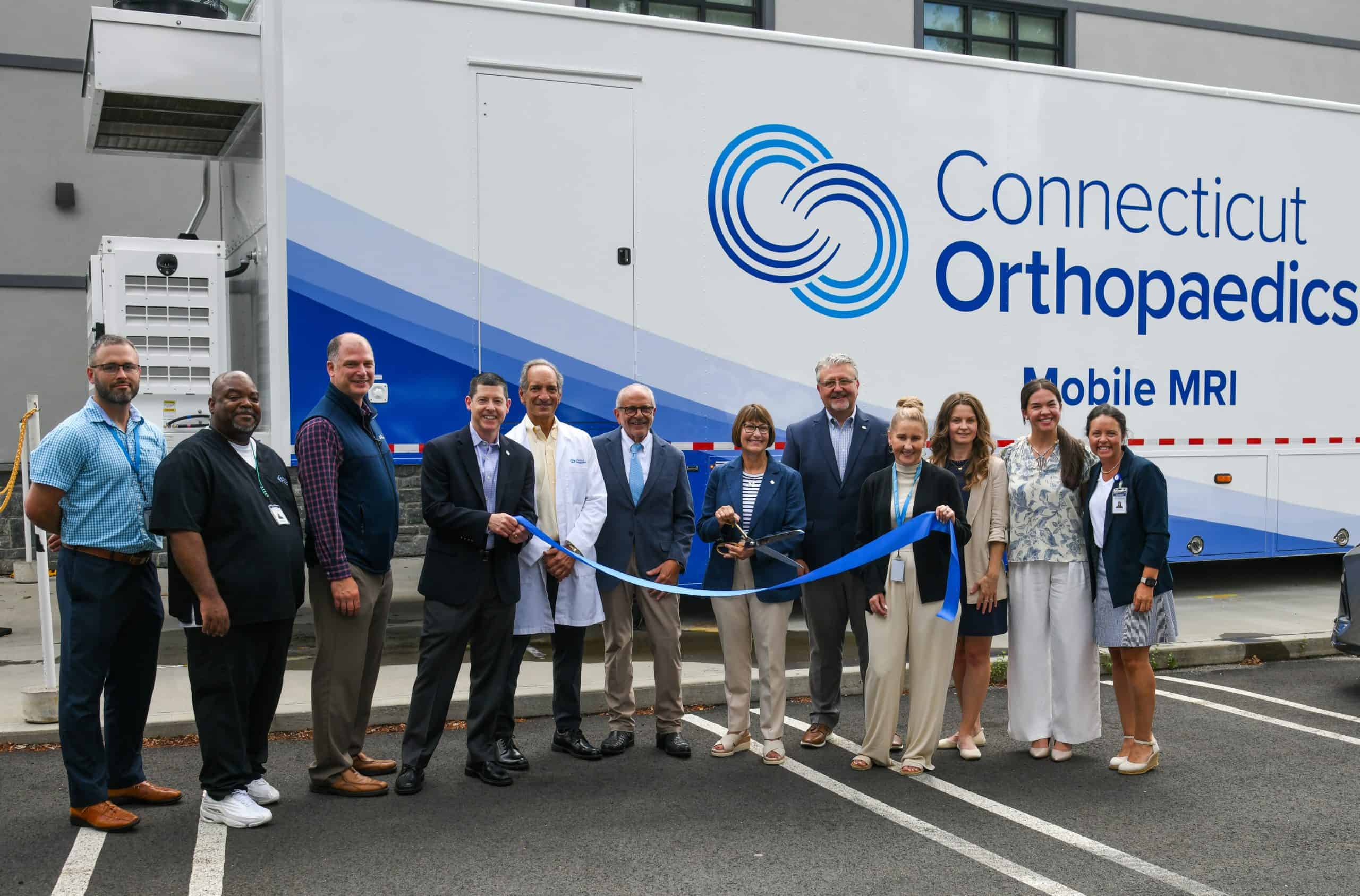
ORANGE, Conn. — August 19, 2026 – Yesterday, Connecticut Orthopaedics celebrated the debut of its new, state-of-the-art mobile GE Voyager MRI with a ribbon-cutting organized by the Amity Chamber of Commerce. Located at 235 Boston Post Road in Orange, Dr. Peter DeLuca, Dr. Kenneth Kramer, CEO, Susan Bader, CFO, Pam Czapor, COO, Brian Frawley, CHRO Dan George, Director of Radiology, Jason Bohn, MRI Supervisor Damien Harris, GE Healthcare Imaging Account Manager, Cory Riccione were joined by Amity Chamber CEO Barry Lee Cohen, Orange Economic Development Corporation Executive 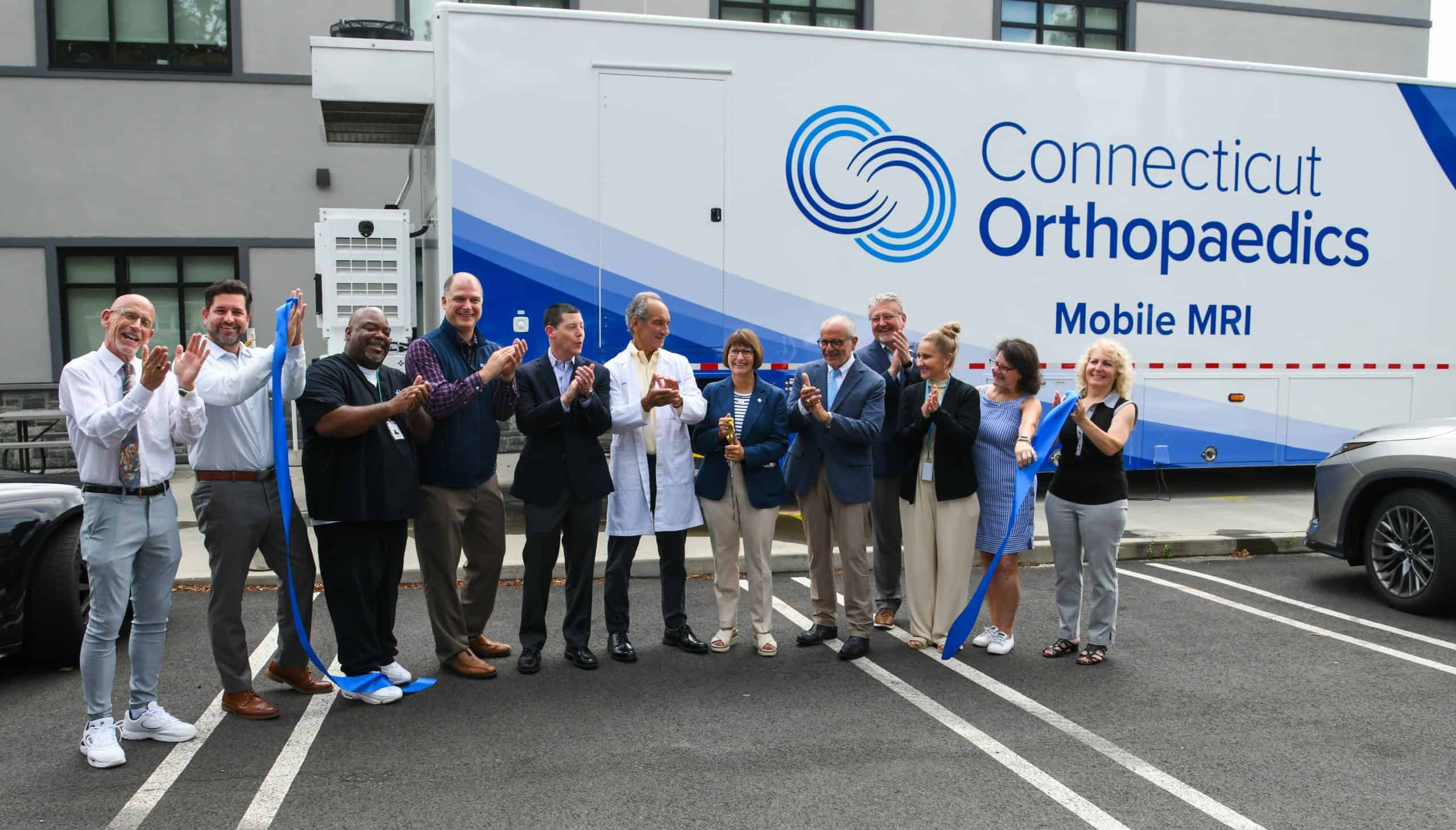 Director Annemarie Sliby, State Representative Kathleen Kennedy (R-119), as well as patients, Chamber members, and local businesses.
The new mobile GE Voyager MRI system allows Connecticut Orthopaedics to expand access to advanced diagnostic imaging and provide patients with a faster, more comfortable and comprehensive experience.
The new and improved MRI enables Connecticut Orthopaedics to scan 33% more patients, helping reduce wait times and improve access to the imaging patient’s need for timely diagnosis and treatment.
“This investment is about making exceptional orthopedic care more accessible, comfortable and efficient for our patients,” said Susan Bader, CEO of Connecticut Orthopaedics. “The new mobile GE Voyager MRI demonstrates our continued commitment to investing in advanced technology and providing world-class, patient-centered care to the communities we serve.”
The MRI system features a large bore, or wider tunnel opening, designed to enhance patient comfort and accommodate a broader range of patients. Its state-of-the-art software also supports faster scans and improved image quality, giving Connecticut Orthopaedics’ specialists the detailed information they need to develop personalized treatment plans.
With high-speed MRI technology available at all four of its MRI locations, Connecticut Orthopaedics provides patients with convenient access to faster scans and high-quality diagnostic imaging close to home. This expanded imaging network supports timely diagnoses and a seamless, patient-centered experience from evaluation through treatment and recovery.
Cohen said, “Connecticut Orthopaedics is a valued, trusted, and relied-upon partner to both patients and the business community. The mobile MRI is a testament to Connecticut Orthopaedics’ patient-focused, compassionate, and innovative care.” 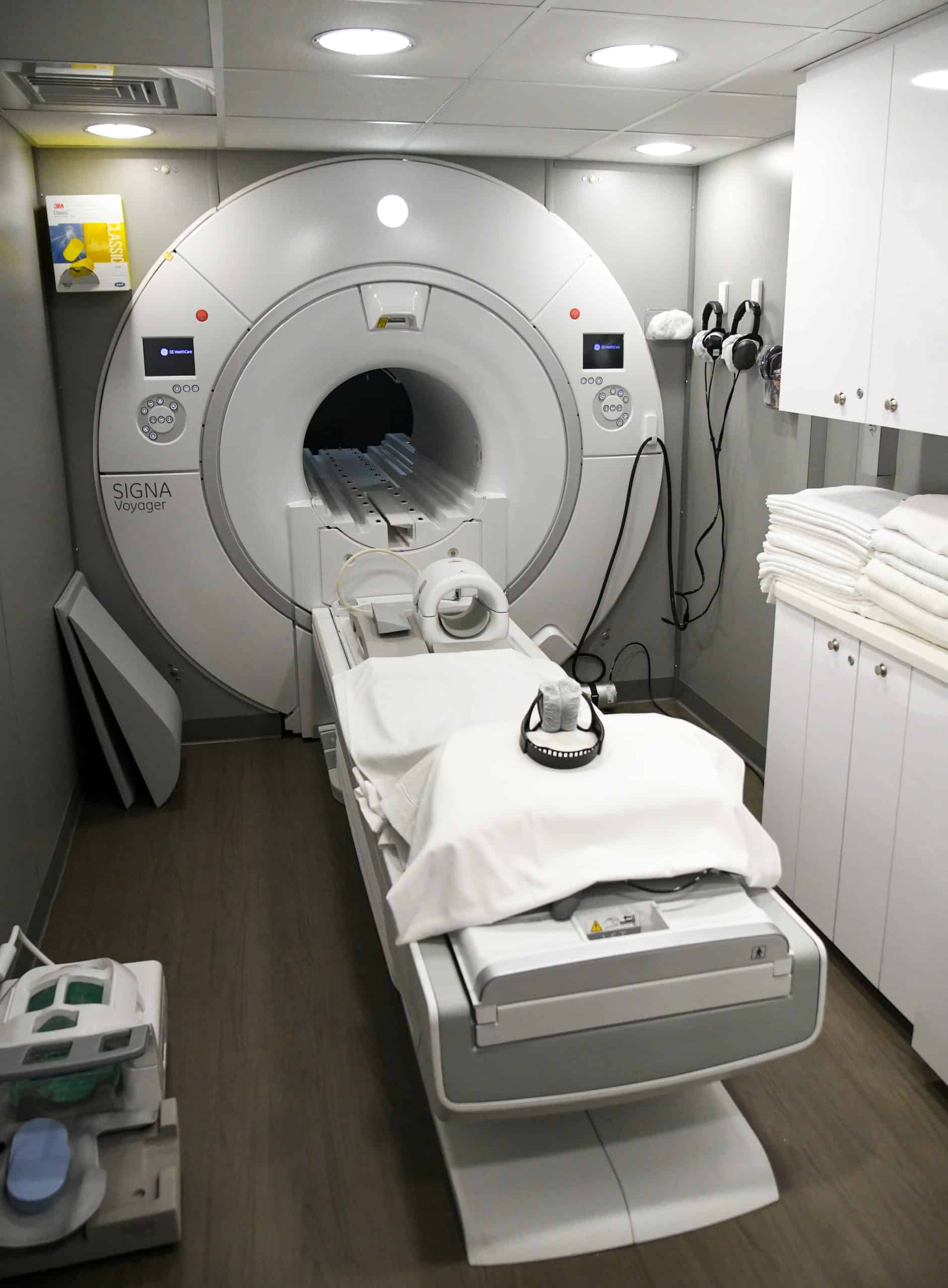
About Connecticut Orthopaedics
Founded in 1963, Connecticut Orthopaedics is the largest privately owned orthopedic practice in New England. Proudly independent and physician-owned, the practice remains focused on making clinical decisions based on what is best for its patients and the communities it serves. With more than 60 doctors serving patients across 20 locations—including eight Urgent Care centers and three surgical centers—Connecticut Orthopaedics provides expert orthopedic care for patients of every age and at every stage of recovery. From diagnosis and treatment to surgery and rehabilitation, the practice delivers convenient, comprehensive and patient-centered care close to home.
About the Amity Chamber of Commerce
The Amity Chamber of Commerce delivers meaningful programs, events, advocacy, networking, and professional educational opportunities for our members, businesses, and the local communities of Orange, Woodbridge, Bethany, and surrounding municipalities. Through these initiatives, the Chamber fosters economic growth and demonstrates the unique value our members and the region bring. By building strong partnerships and working closely with members, government officials, and other key stakeholders, the Chamber helps create a Connecticut where businesses and families work, live, and thrive.
Ribbon Cutting Caption: Susan Bader, CEO of Connecticut Orthopaedics (holding scissors) and members of the Connecticut Orthopaedics team are joined by Amity Chamber CEO Barry Lee Cohen (far left) and (far right) Orange Economic Development Corporation Executive Director Annemarie Sliby, and State Representative Kathleen Kennedy (R-119).
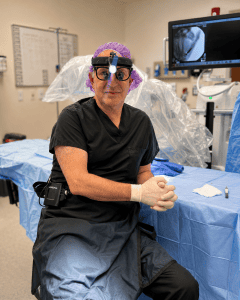
Connecticut Orthopaedics is proud to announce that Richard Bernstein, MD, a hand and wrist specialist, has performed the practice’s first surgery using the KeriMedical TOUCH® CMC 1 Thumb Prosthesis at Connecticut Orthopaedic Surgery Center in Milford.
The procedure offers a new option for some patients living with painful arthritis at the base of the thumb. This type of arthritis can make everyday tasks—such as opening jars, turning keys, gripping objects or pinching with the thumb—difficult and painful.
The TOUCH® CMC 1 Prosthesis is a thumb joint replacement designed to replace the damaged joint at the base of the thumb. The implant is cementless and uses a ball-and-socket design, similar in concept to other joint replacements such as hip or shoulder replacements. The device received FDA premarket approval for use in patients with certain stages of symptomatic thumb base arthritis.
Dr. Bernstein recently returned from France, where he completed specialized training in this innovative surgical technique as part of a small group of U.S. surgeons learning to perform the procedure.
“Thumb arthritis can be incredibly frustrating because it affects so many simple daily activities,” said Dr. Bernstein. “This implant allows us to replace the worn-out joint rather than remove the entire bone and reconstruct the area with a tendon. For the right patient, our goal is to help reduce pain, improve function and allow for an earlier start to rehabilitation.”
For many years, a common surgical treatment for advanced thumb arthritis involved removing the trapezium bone at the base of the thumb and using a tendon from the forearm to stabilize the area. While that approach has helped many patients, recovery can take time and may include several weeks of casting followed by splinting and therapy.
The TOUCH® CMC 1 implant is designed to preserve bone and provide stability through a joint replacement approach. Because of that stability, appropriate patients may be able to begin therapy sooner than with traditional procedures. As with any surgery, results and recovery times vary by patient.
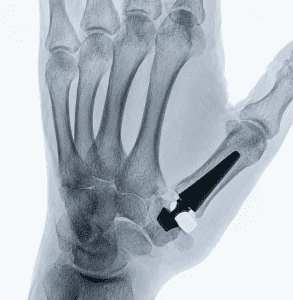
The implant has been used in Europe for several years and is now being introduced in the United States following FDA approval. A U.S. post-approval study is also underway to continue evaluating safety and effectiveness in American patients.
“European hand surgeons have seen encouraging results with this technology, and we are excited to bring this option to patients here in Connecticut,” Dr. Bernstein said. “It represents an important advancement in how we can treat thumb arthritis while helping patients get back to the activities they enjoy.”
Patients experiencing persistent pain, weakness or loss of motion at the base of the thumb should speak with a hand and wrist specialist to determine which treatment options may be appropriate for them.
To learn more about thumb arthritis treatment options or to find out whether this procedure may be right for you, schedule a consultation with Dr. Richard Bernstein at Connecticut Orthopaedics.
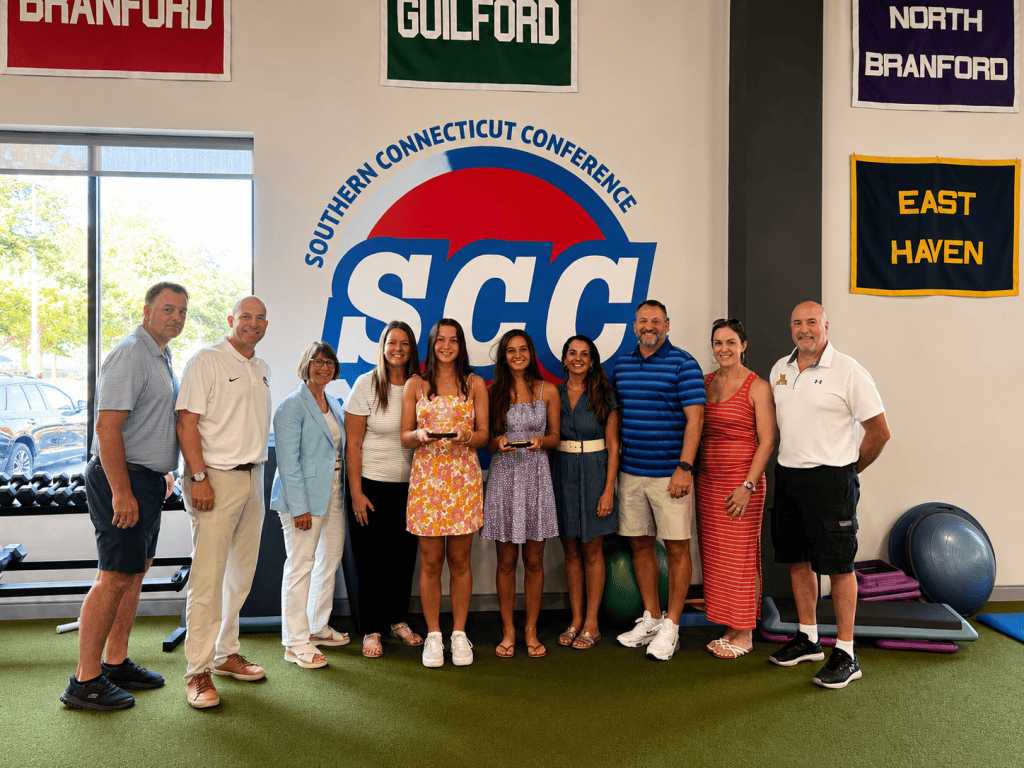
Two student athletes – Madden Evangeliste (West Haven) and Lily Simons (Amity Regional) – are the recipients of the 2026 Southern Connecticut Conference “Comeback Player of the Year” awards. Both students suffered severe injuries yet were able to overcome them to become outstanding role models in their respective schools.
A long-time corporate sponsor of the SCC, Connecticut Orthopaedics offered a Comeback Player of the Year Scholarship for student-athletes who participated in an interscholastic sport during the 2025-2026 academic year and showed great leadership both on and off the field after their injury. Coaches and school’s athletic directors nominated these student-athletes after they each suffered an unfortunate injury that prohibited them from playing for their high school teams. Both will receive a financial scholarship to be used for their college education.
“This is our 16th year awarding student-athletes from the SCC with scholarships,” said Susan Bader, CEO of Connecticut Orthopaedics. “Our goal is to acknowledge student-athletes who have overcome the challenges of an injury and, through hard work and determination, become positive role models for their fellow teammates. As sports medicine specialists, we understand intimately what it takes to recover from an injury and return to playing sports at a high level.”
“Many thanks to the doctors and staff at Connecticut Orthopaedics for their continuing support of the SCC and especially these generous scholarships,” explained SCC Commissioner Al Carbone. “Our league has many outstanding student-athletes who excel in the classroom and on the playing fields; but it is a tremendous gesture to recognize traits like courage, perseverance and selflessness.”
2025-26 SCC/Connecticut Orthopaedics Comeback Players of the Year
MADDEN EVANGELISTE, WEST HAVEN (basketball)
A captain for the Blue Devils’ girls’ basketball squad, Madden suffered an ACL injury mid-year through her sophomore season which affected parts of two seasons. Through her diligent rehab and resilient character, she was able to return to the court to lead the team to the SCC semifinals this past season.
An outstanding student and leader, she was a member of the National Honor Society, ranked 12th (in a class of 457 students) and was actively involved in Peer Advocates and the school’s Class Act Council. Inspired by her own recovery journey, Madden will attend Providence College in the fall and major in health science with the goal to become a physician assistant.
LILY SIMONS (golf)
A multi-sport athlete, Lily was hurt playing basketball (torn ACL) in her freshman season, and then again her sophomore year which also affected her playing golf for the Spartans. She returned to the course and earned All-SCC and All-State honors as a junior and senior.
This spring, she led the Spartans to the SCC title and was named as the SCC Girls Golfer of the Year, presented by Connecticut Orthopaedics Urgent Care Walk-in.
Lily will attend Iona University and major in sports management and compete in golf for the Gaels.
ABOUT THE SOUTHERN CONNECTICUT CONFERENCE
The 2025-26 academic year marked the 32nd year of existence for the Southern Connecticut Conference. The SCC is comprised of 23 high schools with more than 23,000 students representing 16 communities. Recognized as one of the best athletic conferences in the state, the SCC also has a great tradition of offering first-rate non-athletic programs and events that enrich the overall high school experience of our young people to help them become responsible students, athletes and citizens. For more information on the SCC, visit www.southernconnecticutconference.org
ABOUT CONNECTICUT ORTHOPAEDICS
Connecticut Orthopaedics is a premier team of orthopaedic doctors, surgeons and health care professionals who provide compassionate and innovative care to keep you moving forward with life. With over 60 doctors serving 20 locations, including 8 Urgent Care | Walk-In centers, three orthopaedic-only Surgical Centers and 14 state-of-the-art Sports Therapy | Rehab locations, we make it convenient for you to get the orthopaedic care you need, close to where you live. There’s simply no other Connecticut practice that offers convenience, personalized care and comprehensive experience that you’ll find with Connecticut Orthopaedics. From your first visit, to diagnosing your injury, to treatment and rehabilitation, we offer end-to-end orthopedic services designed to accommodate your every need. To learn more, visit ct-ortho.com
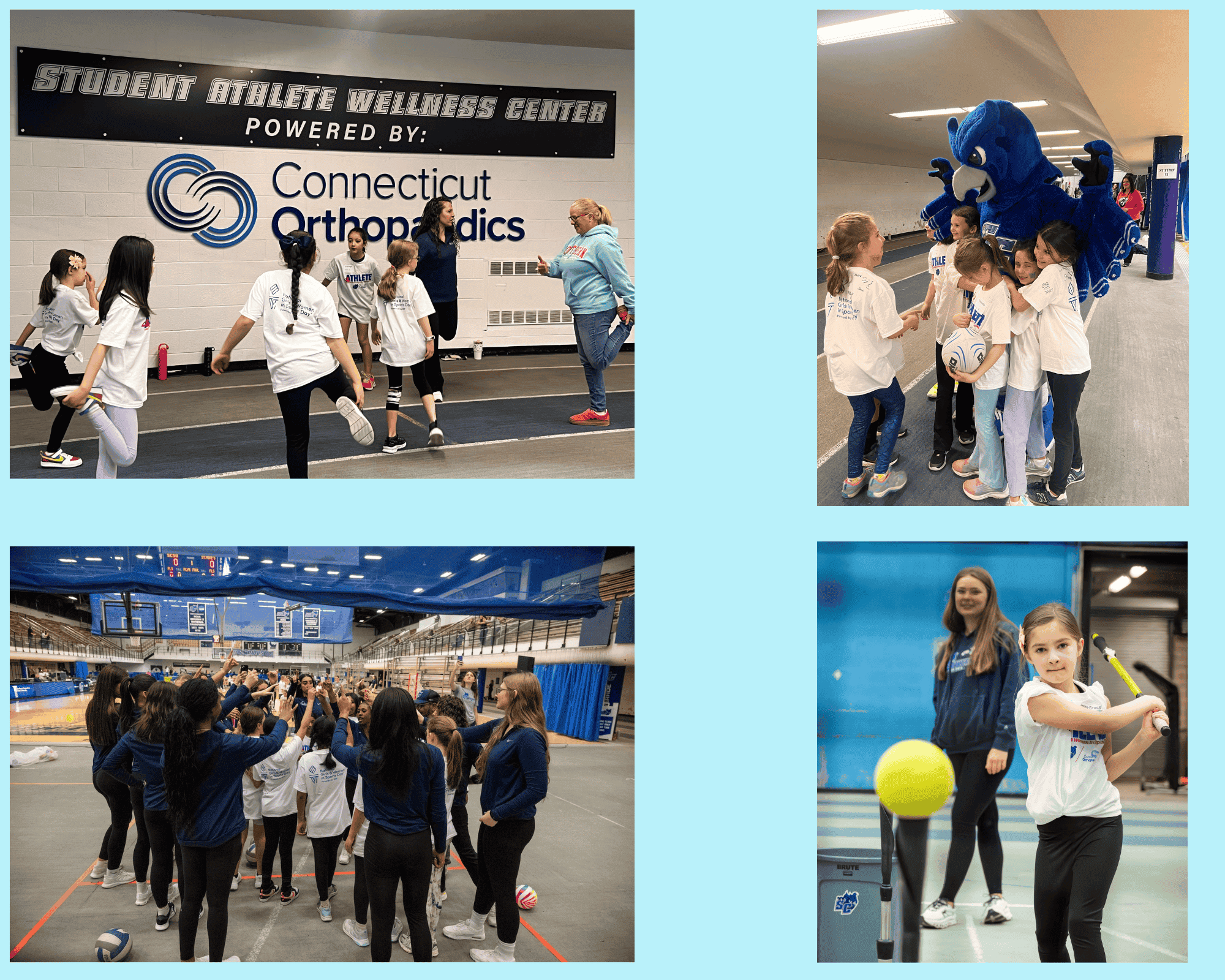
Connecticut Orthopaedics was proud to serve as a sponsor for the third consecutive year in support of Southern Connecticut State University’s National Girls and Women in Sports Day on February 21st. This inspiring event welcomed 200 girls in grades 1–8 for a day dedicated to movement, mentorship, and empowerment.
Encouraging girls to participate in sports at a young age is critical to building confidence, resilience, leadership skills, and lifelong healthy habits. Early involvement in athletics not only supports physical health, but also fosters teamwork, discipline, and self-esteem — qualities that extend far beyond the playing field.
Throughout the day, participants rotated through a variety of sports and clinic stations, gaining hands-on experience and learning new skills in a fun and supportive environment. The event concluded with lunch and an autograph session, giving the girls the opportunity to connect with collegiate athletes and role models.
Female mentorship plays a powerful role in shaping young girls’ perceptions of what’s possible. By interacting with strong female athletes and leaders in the community, participants were able to see firsthand the impact of dedication, perseverance, and teamwork. Events like this create meaningful connections that help inspire the next generation of athletes and leaders.
Connecticut Orthopaedics is honored to continue its involvement as a community sponsor, reinforcing its commitment to youth athletics, injury prevention, and the overall health and well-being of young athletes across Connecticut.