
What to Expect from Physical Therapy at Connecticut Orthopaedics
Physical Therapy at Connecticut Orthopaedics: What to Expect
If your physician has referred you to physical therapy, you may be wondering what to expect, especially if it’s your first time or it has been a while since your last visit. At Connecticut Orthopaedics, our goal is to make your experience as comfortable and productive as possible. Here is what you can anticipate when you begin physical therapy with us.
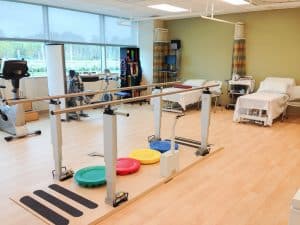
What Is Physical Therapy?
According to the American Physical Therapy Association (APTA), physical therapy is “treatment provided by a physical therapist or physical therapist assistant that helps people improve their movement and physical function, manage pain and other chronic conditions, and recover from and prevent injury and chronic disease.”
At Connecticut Orthopaedics, our licensed physical therapists and team members are here to help you regain strength, restore mobility, and return to the activities you love.
Who You’ll Meet at Physical Therapy
Front Desk Staff
Our front desk team will welcome you, check you in, and assist with any required paperwork or insurance information. They’ll also help schedule your appointments to best fit your needs.
Physical Therapists (PTs)
Your physical therapist will complete your initial evaluation and guide your care plan. They’ll perform assessments, lead your treatment sessions, and monitor your progress throughout your recovery.
Physical Therapist Assistants (PTAs)
PTAs work closely with your physical therapist to help carry out your treatment plan once your initial evaluation is complete.
Physical Therapy Aides
Our aides support PTs and PTAs with patient care and clinic operations, from preparing equipment and treatment areas to assisting with exercises and modalities like heat or cold packs. Many physical therapy aides are pursuing healthcare careers in PT and bring a strong understanding of the patient experience.
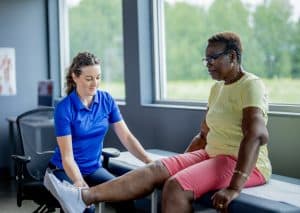
Your Initial Physical Therapy Visit: Evaluation
During your first appointment, your physical therapist will spend time getting to know you and understanding your goals.
History of Condition
If you’re being treated by a Connecticut Orthopaedics physician, your therapist already has access to their notes to ensure a coordinated approach to your care. Hearing your story firsthand, however, helps us gain a full picture of your injury, symptoms, and experience. We’ll discuss when your pain or injury began, how it occurred, what treatments you’ve already tried, and how you’ve been managing your symptoms.
Current and Prior Function
We’ll ask about your daily activities and the movements you find challenging like climbing stairs to playing your favorite sport. We’ll also discuss your prior activity level to tailor your therapy program to your specific needs and goals.
Home and Work Environment
Understanding your living and working situation helps us anticipate challenges and design a program that supports your lifestyle. For instance, we will want to know if you live alone, have stairs at home, or perform physical work duties such as lifting or standing for long periods.
Medical History and Pain Levels
We’ll review your medical background, medications, and any previous injuries to ensure your treatment plan is safe and effective. You’ll describe your pain and its intensity, location, and what makes it better or worse to help us track your progress accurately.
Measurements and Assessment
Your therapist will evaluate your range of motion (ROM) and strength of the affected body area, always working within your limitations. This includes evaluating your active range of motion (AROM – how much you can move the area in a certain direction yourself), passive range of motion (PROM – how much we can move the joint in a certain direction with you relaxed) and strength testing (how much you can move the area against gravity or in a gravity eliminated position, and/or applying manual resistance to determine how much you can resist against our push). Our top priority is your safety and comfort during this process, especially navigating recent surgeries that you may have had.
Once your evaluation is complete, your PT will review the findings, explain your condition, and discuss what to expect in your upcoming physical therapy treatment. They will also provide suggestions on steps to recovery such as precautions, body mechanics, and surgical protocols if applicable.

Follow-Up Visits at Physical Therapy
At your second appointment, you’ll begin your full treatment sessions. You will start with a warmup which can include a moist heat pack if you have recently had surgery or an injury, or light activity on equipment such as a bike or treadmill. After the warmup, you will complete manual therapy techniques and exercises designed to restore strength and mobility. Your program will evolve as you recover, and your home exercises will be updated regularly.
Your Home Exercise Program
Your recovery extends beyond your clinic visits. Your therapist will provide a customized home exercise program to help you maintain progress between sessions. You’ll receive printed instructions, demonstrations if needed, and access to our smartphone app with video demonstrations you can watch at home.
Reassessments at Physical Therapy
Throughout your physical therapy treatment, your progress is continuously monitored. Formal reassessments will occur periodically when needed. Reassessments can take place when there’s a significant change in your condition, when insurance authorization is needed, or after a lapse in care. We will ask about your pain, difficulties you still encounter throughout your day, what you’re doing better with, and how you feel you are doing overall. These reviews help ensure your treatment plan remains effective and appropriate.

Discharge Planning from Physical Therapy
You and your PT and PTA will discuss when it’s appropriate to complete formal physical therapy. This can happen when your goals have been met, your doctor recommends discontinuation, you feel confident continuing the exercises on your own at home, or if you have maximized your health insurance benefits. Before discharge, we’ll take final measurements, review your progress, and provide an updated home exercise plan so you can maintain your results.
Coordinated Care, Shared Goals
Because our physical therapists and physicians share the same medical record system, your care is fully coordinated across our team. We communicate regularly to ensure you receive consistent, informed, and high-quality treatment every step of the way.
At Connecticut Orthopaedics, our goal is to guide you confidently through your recovery. It is our commitment to ease your concerns, answer your questions, and help you get back to what moves you.